Back Pain Treatments - What treatments are effective for pain relief?
Posted on 26-10-2023 02:26 PM
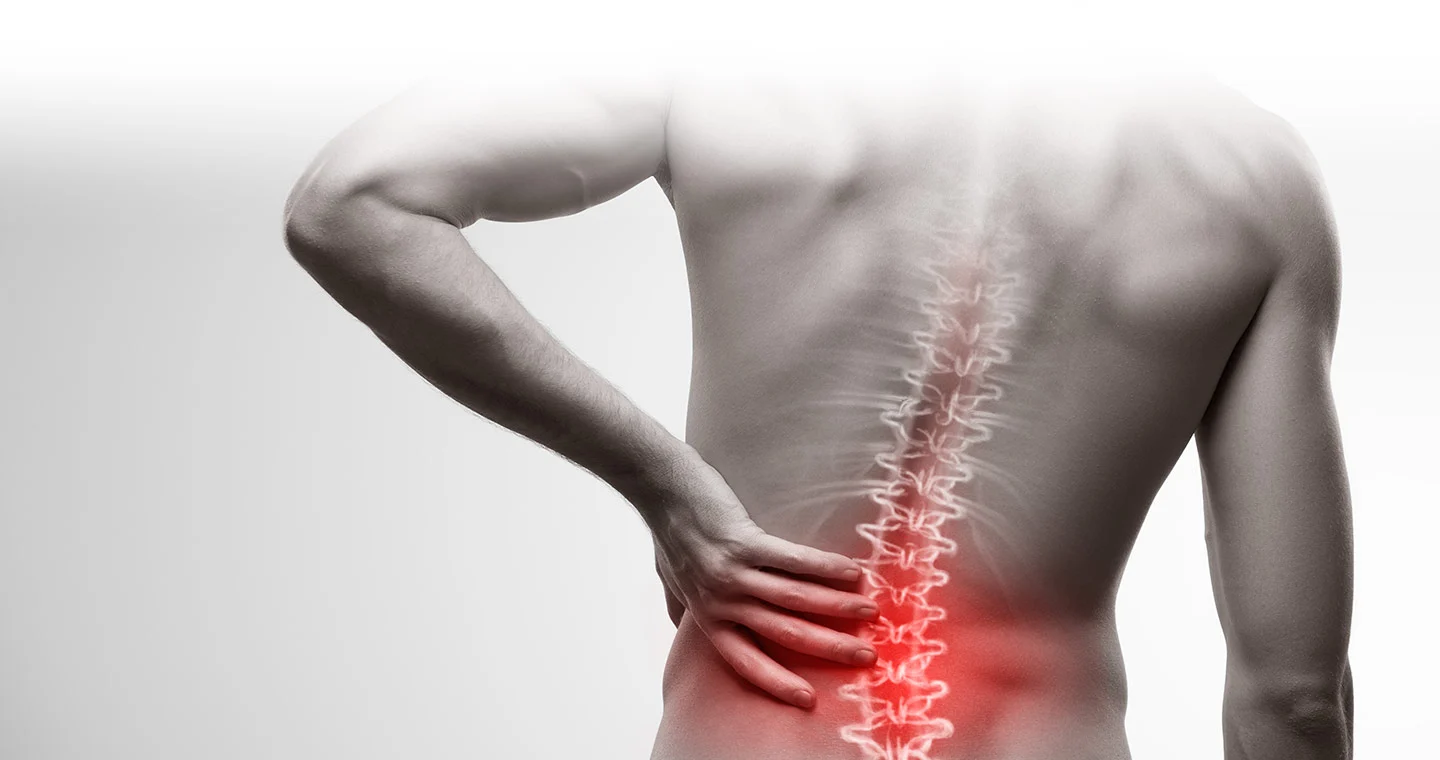
Back pain is an all-too-common affliction that can disrupt your daily life and hinder your overall well-being. Whether you're experiencing a twinge, chronic discomfort, or debilitating pain, understanding the causes and various treatment options is crucial.
This comprehensive article aims to equip you with in-depth insights into different back pain treatments – both non-surgical and surgical – while also delving into alternative and complementary therapies.
By the end of this guide, you'll have a clearer understanding of how to address your specific back pain issues and improve your quality of life.
Understanding Back Pain
Back pain is a multifaceted issue, and recognizing its nuances is the first step toward effective treatment. Beyond acute and chronic back pain, it's important to consider other factors:
A. Types of Back Pain
- Neuropathic pain: This type of pain results from nerve damage and can manifest as a shooting or burning sensation.
- Radicular pain: Radiating pain from the spine down the arms or legs may indicate issues with the nerves.
- Musculoskeletal pain: Muscle and ligament strains, as well as joint issues, often cause musculoskeletal back pain.
B. Common Causes of Back Pain
- Herniated discs
- Spinal stenosis
- Arthritis
- Osteoporosis
- Scoliosis
- Muscle imbalances
C. Identifying the Root of Your Back Pain
- Imaging tests: X-rays, MRIs, and CT scans can help pinpoint the cause of your pain.
- Diagnostic tests: Nerve conduction studies or electromyography (EMG) can provide information on nerve function.
Non-Surgical Back Pain Treatments
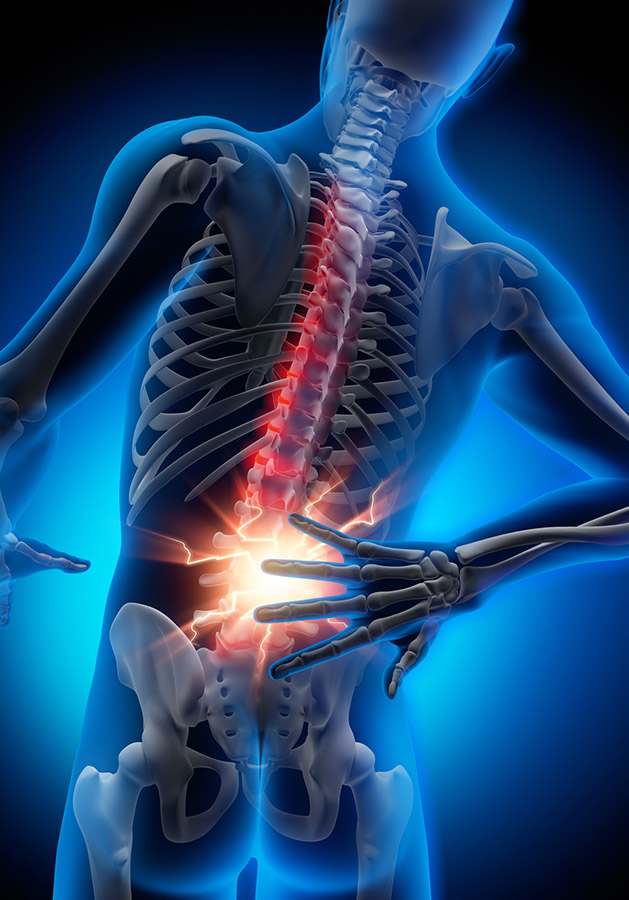 Lifestyle Modifications
Ergonomics and Posture Improvement: Correcting your posture during everyday activities and at your workspace can reduce back strain significantly. Invest in ergonomic furniture and accessories to maintain proper alignment.
Exercise and Stretching Routines: Engaging in regular physical activity strengthens your back muscles and improves flexibility. Consider incorporating exercises like yoga, Pilates, and core-strengthening routines into your daily regimen.
Weight Management: Carrying excess weight places additional stress on your spine. A balanced diet and weight management plan can reduce this burden and alleviate back pain.
-
Physical Therapy
Benefits of Physical Therapy: In addition to targeted exercises, physical therapy offers various advantages, including improved mobility, pain relief, and education on preventing future injuries.
Manual Therapy: Physical therapists may employ hands-on techniques like manual therapy, soft tissue mobilization, and joint mobilization to address specific issues.
-
Pain Management Options
-
Over-the-Counter Pain Relievers: Non-prescription options like ibuprofen and acetaminophen can temporarily alleviate pain and inflammation.
-
Prescription Medications: For more severe pain, your healthcare provider may recommend prescription medications, including muscle relaxants or stronger pain relievers.
-
Injections and Nerve Blocks: These procedures can deliver pain relief directly to the affected area by targeting inflamed nerves or joints.
-
Surgical Back Pain Treatments
While most back pain issues can be addressed non-surgically, some conditions require surgical intervention. Common procedures include:

-
Discectomy: This surgery removes the damaged portion of a spinal disc, relieving pressure on nerves and providing pain relief.
-
Spinal Fusion: Spinal fusion involves fusing two or more vertebrae to stabilize the spine. It's often recommended for conditions like scoliosis and herniated discs.
-
Artificial Disc Replacement: This innovative procedure replaces damaged or degenerated discs with artificial ones, preserving natural spinal mobility.
-
Laminectomy: A laminectomy involves removing a portion of the vertebral bone called the lamina to create more space and alleviate pressure on the spinal cord.
-
Microdiscectomy: A minimally invasive discectomy technique that offers faster recovery and less scarring.
Before considering surgery, consult with a spine specialist to thoroughly evaluate your condition and discuss potential benefits, risks, and alternatives.
Alternative and Complementary Therapies
In addition to conventional treatments, various alternative therapies can complement your pain management plan:
-
Chiropractic care: They perform spinal adjustments and manipulations to alleviate pain and improve spinal function.
-
Acupuncture: This ancient practice involves inserting thin needles into specific points on the body to promote pain relief and relaxation.
-
Massage Therapy: Massages can help reduce muscle tension, promote blood flow, and offer relaxation in the affected area.
-
Yoga and Meditation: These practices promote not only physical flexibility but also mental relaxation, which can contribute to pain relief through stress reduction.
Prevention and Lifestyle Strategies
Preventing back pain is as important as finding relief. Incorporate these strategies into your daily life:
-
Regular Exercise: Maintain a consistent exercise regimen to strengthen your back muscles and improve flexibility.
-
Ergonomic Adjustments: Ensure your workspace and daily activities prioritize good posture and spinal health.
-
Nutrition: A balanced diet and weight management play a crucial role in preventing and managing back pain.
When to Seek Professional Help
Recognizing when to seek professional help is vital. Consult a healthcare professional if your back pain:
- Persists or worsens
- Radiates down your arms or legs
- Accompanies other concerning symptoms
- Impacts your daily activities
Conclusion
Back pain can be a daunting challenge, but it's a challenge you can overcome. This comprehensive guide provides a roadmap for navigating the complexities of back pain and its treatment options.
Whether you opt for non-surgical solutions, contemplate surgical procedures, or explore alternative therapies, the key is to take proactive steps to address your back pain and improve your overall quality of life.
Resources and References
For further reading and reliable information on back pain and treatment options, consider consulting the following authoritative sources: